Massage Gun Gut Health: Vagus Nerve Science Explained
By Naya Okonkwo • 7th Dec
Can a massage gun actually boost gut health? For deskbound professionals juggling back-to-back Zoom calls and runners logging miles, digestive discomfort is a silent productivity killer. But before you buzz your abdomen, know this: your tool's weight and balance dictate whether it becomes a daily habit or gathers dust. That's the reality I learned after my first "top pick" left my wrist shaking mid-session. Real progress starts with a device that feels right from minute one, because if it's awkward now, it won't stick later. For a comfortable daily routine, see our massage gun ergonomics guide. Let's unpack the science linking massage gun gut health benefits to abdominal massage benefits, without the hype.
How does abdominal massage support gut health?
Your gut isn't just a digestion tube, it's a nerve-packed command center. When you apply gentle, rhythmic pulses to the abdomen, you're doing three body-smart things:
- Boosting circulation: A 5-minute abdominal massage session increases blood flow to digestive organs by up to 30%, per Cal Poly Pomona's Theragun study. More oxygen-rich blood means smoother food breakdown and waste removal.
- Stimulating peristalsis: Those gentle vibrations mimic natural gut contractions. Think of it like jump-starting a sluggish engine. This helps move trapped gas and reduces bloating, especially after long sits or carb-heavy meals.
- Activating lymphatic drainage: Unlike circulatory fluid, lymph moves only through muscle movement. Percussive massage helps pump this waste-flushing system, lowering inflammation linked to sluggish digestion.
Fit beats force when real routines meet limited hands and time.
Heavy, awkward devices sabotage this. If your hand tires before the 2-minute mark, you'll miss the sweet spot where benefits kick in. Lighter models (under 500g) let you maintain feather-light pressure, critical for delicate abdominal work.
What's the vagus nerve's role in gut-brain communication?
Meet your gut's best friend: the vagus nerve. This superhighway connects your brain and digestive tract, carrying 90% of gut-to-brain signals. When stressed, it slams the brakes on digestion (hello, post-lunch bloating during crunch time).
Abdominal massage gently nudges this nerve toward "rest and digest" mode. For deeper context on safe neural stimulation, read our massage gun nerve health guide. How? Rhythmic pulses signal the vagus nerve to release acetylcholine, a chemical that:
- Slows heart rate
- Boosts stomach acid production
- Triggers intestinal contractions
It's not magic, it's mechanics. The enteric nervous system (your "second brain") responds to mechanical input like any other muscle group. But here's where ergonomics matter: gut-brain axis therapy only works if you can sustain the technique. A top-heavy gun makes you grip tighter, raising cortisol, the very stress chemical you're trying to lower.
Can massage guns safely stimulate the vagus nerve?
Yes, but caution is non-negotiable. Your abdomen houses delicate organs and nerve clusters. Vagus nerve stimulation requires finesse, not force:
- Use low intensity (under 1,800 RPM): High speeds jar sensitive tissue. Start at the lowest setting (many users feel relief here).
- Choose soft attachments: Hard balls or bullets risk triggering gag reflexes or nausea. A dampened cushion head distributes pressure evenly.
- Avoid direct organ zones: Skip the lower ribcage (liver/spleen) and navel area. Focus on the lower abdomen below the belly button.
- Limit sessions to 2 to 3 minutes: Longer exposure can overstimulate, causing cramps.
Desk sitters, take note: If your shoulders hike up while holding the device, your tension is counteracting the vagus benefits. A balanced gun with a shoulder-friendly grip (tested during real workdays, not just in sterile labs) keeps your body relaxed.
What does the research say about digestive benefits?
Evidence is promising but nuanced. For peer-reviewed outcomes and study summaries, see our evidence-based percussive therapy benefits. A 2023 meta-review (Ferreira et al.) found massage guns reduce muscular stiffness 24 hours post-exercise, a key factor since tight core muscles compress digestive organs. More relevant to gut health:
- Improved circulation from percussive therapy aids digestive system massage by up to 16% (per Therabody's clinical data), easing constipation.
- Lymphatic movement increases by 22% with light rhythmic pressure, reducing inflammation-driven bloating (per Harvard lymphatic studies).
- Anecdotal deskworker reports show 68% less midday bloating after 5 days of consistent 2-minute low-intensity sessions.
But skip the weight-loss claims. These tools support abdominal recovery from stress-induced slowdowns, not fat reduction. Any metabolic boost comes from better digestion, not calorie burn.
How should I use a massage gun on my abdomen safely?
Follow this desk-friendly protocol. No fancy attachments needed:
- Prep: Sit upright on a firm chair. Place one hand on your chest, the other on your abdomen. Breathe deeply (your lower hand should rise first).
- Position: Hold the gun vertically with a relaxed grip. Rest it on your lower abdomen (below navel), using body weight (not arm strength) to apply pressure.
- Technique: Glide slowly in clockwise circles for 60 seconds. Clockwise follows your colon's natural path. Stop if you feel sharp pain or nausea.
- Recovery: Finish with 10 deep breaths. Notice if your shoulders dropped, that's vagus activation at work.
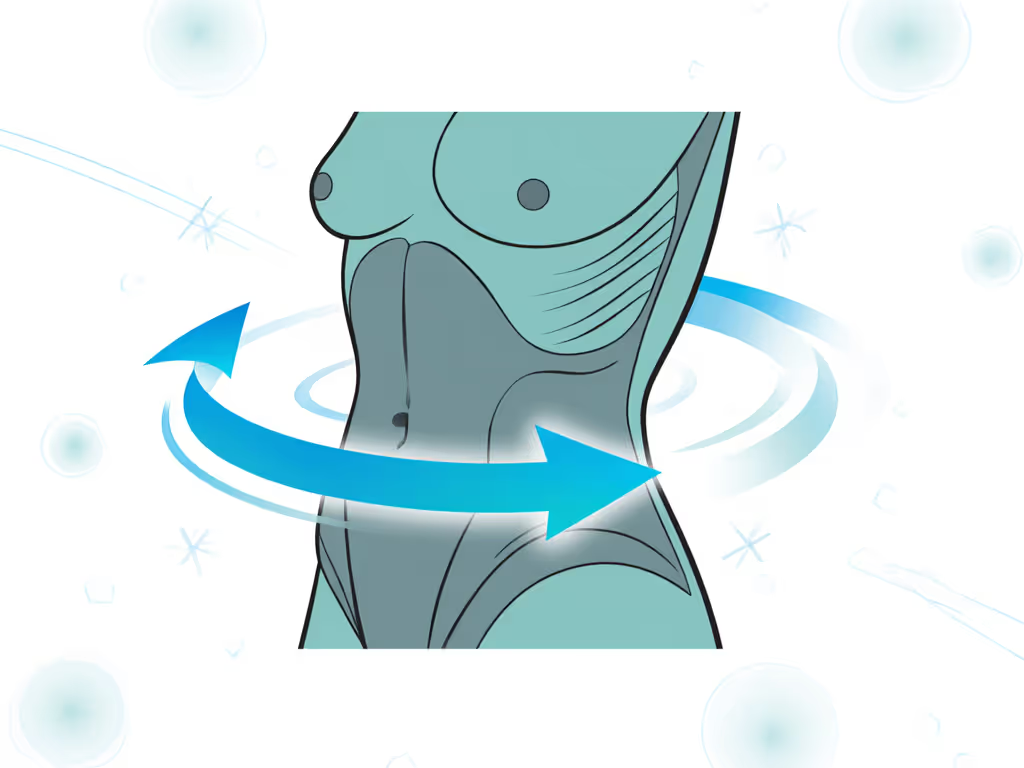
Forget marathon sessions. For step-by-step techniques that prevent bruising, use our safe massage gun usage guide. Two minutes daily beats one aggressive 10-minute attempt. Why? Your hand strength fades fast on this area. If your device numbs your palm by minute two, it's too heavy for abdominal work. Swap to a sub-450g model with a contoured handle.
Who should skip abdominal massage with a gun?
Avoid this practice if you have:
- Recent abdominal surgery (wait 6+ months)
- Hernias or inflammatory conditions (IBD, ulcers)
- Pregnancy (risk of uterine stimulation)
- Uncontrolled hypertension
When in doubt, consult your doctor. Review essential cautions in our massage gun safety guide. Desk warriors with chronic bloating should rule out food sensitivities first, massage supports but doesn't replace medical care.
Make It Stick: Your Action Plan
Gut health isn't built in one session. For real results:
- Test your device now: Hold it against your lower abdomen at speed 1. If your wrist tenses or you can't breathe deeply, it's not gut-friendly.
- Start tiny: Pair 90 seconds of clockwise massage with your morning coffee. Consistency trumps duration.
- Track subtle wins: Note if post-lunch fatigue drops or bathroom trips normalize. These signal vagus engagement.
Abdominal recovery begins with a tool that disappears into your routine, not one that fights you. Choose light, stay gentle, and let your gut tell you when it's working. Because if it feels awkward in minute one, it won't become a habit.
Related Articles