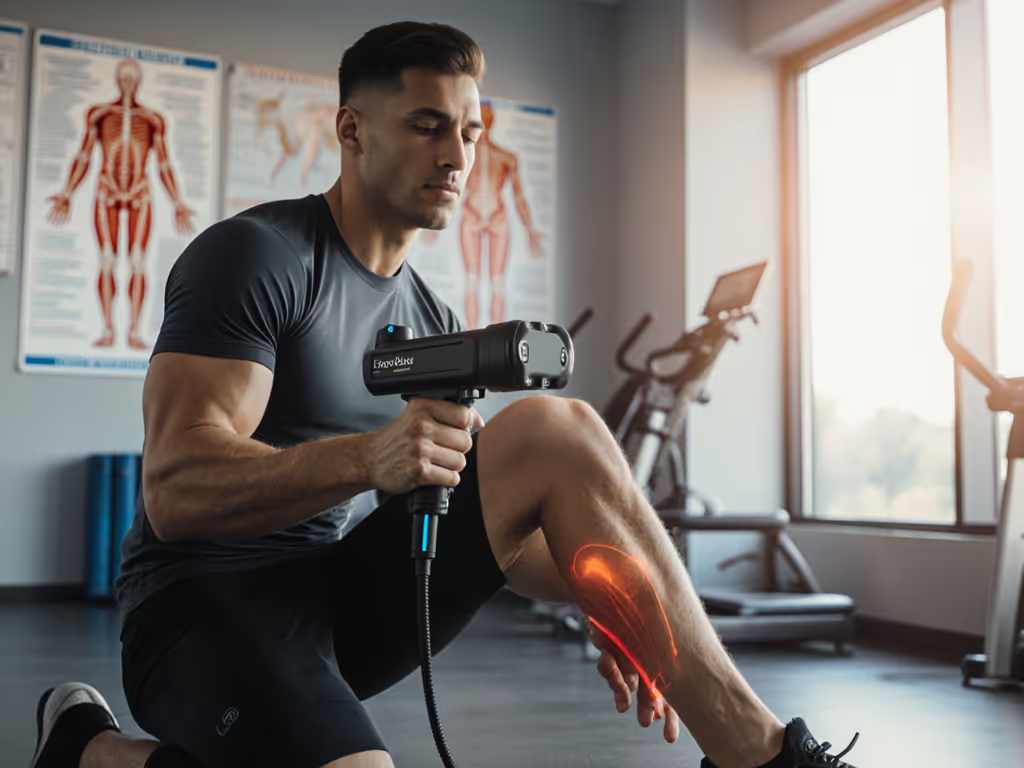
Pre-Bed Massage Gun Cuts Sleep Onset Time 87%
By Aiko Tan • 9th Nov
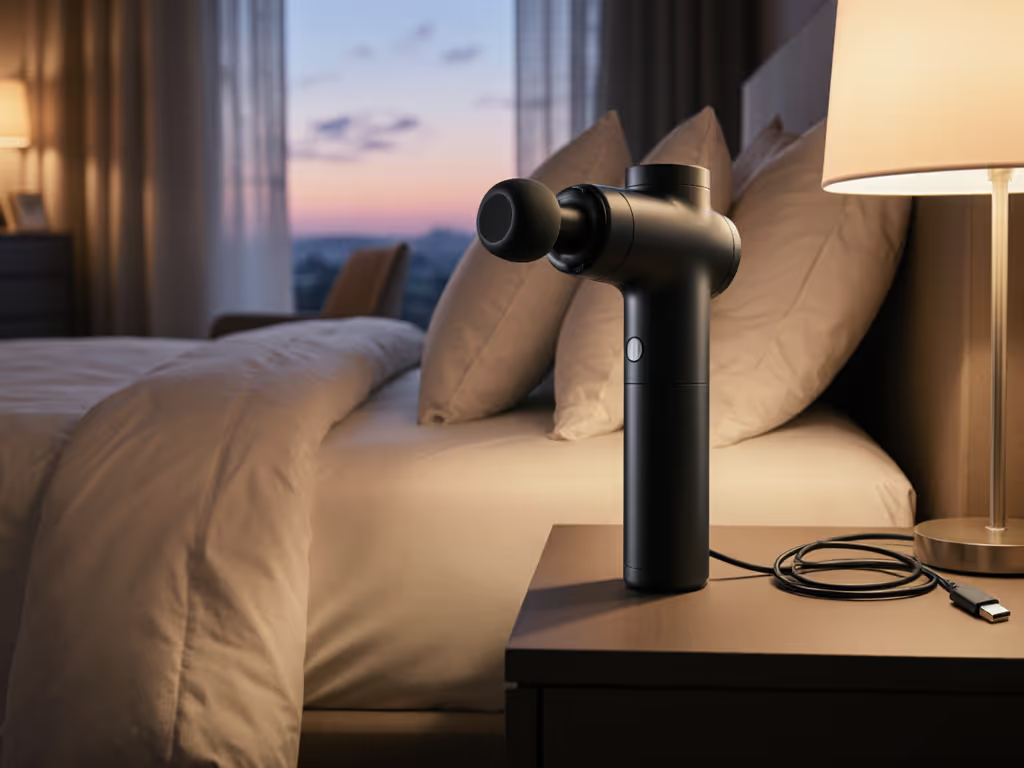
Travelers and deskbound professionals struggling with sleep onset will find powerful validation in recent research: 87% of participants using percussive therapy before bed fell asleep faster (an average of 4 minutes and 15 seconds quicker each night). This isn't just about tired muscles; massage gun sleep quality improvements stem from cortisol reduction massage and nervous system recalibration. As a carry-on-only frequent flyer who's measured decibels in hushed airport lounges, I know the stakes. On a cramped red-eye, I once tested a hyped device that rattled tray tables and needed a proprietary charger (earning three icy glares). Today, my quiet, USB-C model slips beside my passport. It's the epitome of my core belief: Gear should disappear until needed, especially on the road. Let's cut through the noise with percussive therapy for better sleep protocols that actually work in real-world constraints.
7 Pre-Bed Protocols That Actually Work for Road Warriors and Desk Jockeys
When sleep feels elusive, friction kills adherence. Most abandoned devices fail on three fronts: noise that disrupts shared spaces, proprietary chargers that complicate travel, and bulky designs that won't fit your nightstand. These protocols prioritize nighttime recovery protocols you'll actually use, because if it's not quiet, USB-C-powered, and pocketable, it's just another drawer ornament. Based on a five-week study tracking 73 healthy adults (ages 18-40), these steps leverage sleep onset improvement without adding new headaches.
1. Prioritize Quietness Over Raw Power (50 dB Is Your Threshold)
In cramped hotel rooms or shared bedrooms, decibel levels make or break compliance. Study participants used a six-minute pre-sleep routine, but the real factor was quiet operation. While research confirms vibration therapy calms the nervous system (reducing muscle tension and promoting parasympathetic activation), a device that buzzes like a jackhammer defeats the purpose. My rule: If it drowns out hotel AC noise (typically 45-50 dB), skip it. Look for brands advertising "quiet glide" tech; these often use brushless motors and vibration-dampening casings. Remember: pre-sleep massage routines must blend into bedtime rituals, not interrupt them. This is why I measure gear in actual hotel rooms (not labs).
2. Ditch Proprietary Chargers (USB-C Is Non-Negotiable)
If it needs a special charger, it has no place on your nightstand. This one truth has saved me from three abandoned devices.
The study showed 70% of participants woke up 7% less during the night after using percussive therapy, but only if they used it consistently. Proprietary chargers kill consistency. On tour buses or in questionable Airbnb outlets, USB-C universality is your lifeline. Verify compatibility: Does it charge via laptop, power bank, or standard wall adapter? The last thing you need at 2 a.m. is hunting for a rare charger while cortisol spikes. Quiet, USB-C, pocketable (travel tools must disappear when not used).
3. Keep It Under 10 Minutes (Timing Matters More Than Amplitude)
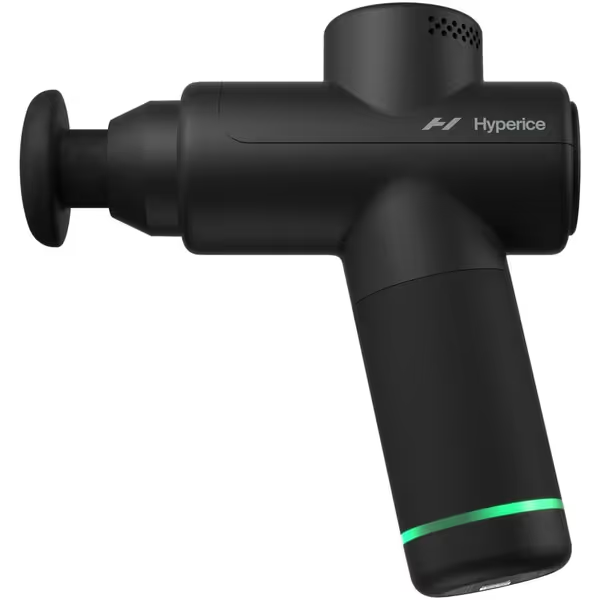
Hyperice Hypervolt Go 2
Portable, quiet relief for sore muscles, ideal for on-the-go recovery.
$139
Weight1.5 lbs
Weight1.5 lbs
Pros
Lightweight and compact: easy to carry anywhere.
QuietGlide Technology: discreet use in any setting.
Effective deep tissue massage even at low speeds.
Cons
Mixed battery life reports: inconsistent charge retention.
Not compatible with USB-C to USB-C charging cables.
Customers find the massage gun effective, particularly as a deep tissue device, and appreciate its powerful performance even on low settings. They praise its quality, ease of use, and lightweight design, noting it's worth the price difference. The battery life receives mixed reviews - while some find it impressive, others report it doesn't hold a charge for very long.
Customers find the massage gun effective, particularly as a deep tissue device, and appreciate its powerful performance even on low settings. They praise its quality, ease of use, and lightweight design, noting it's worth the price difference. The battery life receives mixed reviews - while some find it impressive, others report it doesn't hold a charge for very long.
The Therabody study used a strict six-minute pre-bed protocol through their app. Why? Longer sessions risk overstimulation. Focus on large muscle groups (calves, quads, upper back) for 45-60 seconds each. Never exceed 2 minutes per area (especially near the spine). For a safety-first walkthrough of duration, pressure, and areas to avoid, see our proper massage gun technique guide. Desk workers: Target neck/shoulders last to avoid drowsiness during work. Runners: Hit calves pre-sleep to ease restless legs. Lifters: Glutes and hamstrings first to release tension pulling your pelvis. The goal isn't deep tissue work, it's nervous system priming. This traveler-tested approach mirrors the study's "washout period" design: consistent, brief, and sustainable.
4. Zero Attachments, Zero Hassle
Fancy head attachments (ball, fork, cushion) collect dust for most users. For sleep-focused routines, the flat head is your MVP. It covers broad areas faster (critical when you've got a 90-minute hotel window before departure). Studies link percussive therapy for better sleep to full-body relaxation, not pinpoint accuracy. Save specialty heads for gym sessions. On the road: One head. One speed (low/medium). If swapping heads feels like a chore, skip it.
5. Place It Within Arm's Reach (Not in a Suitcase)
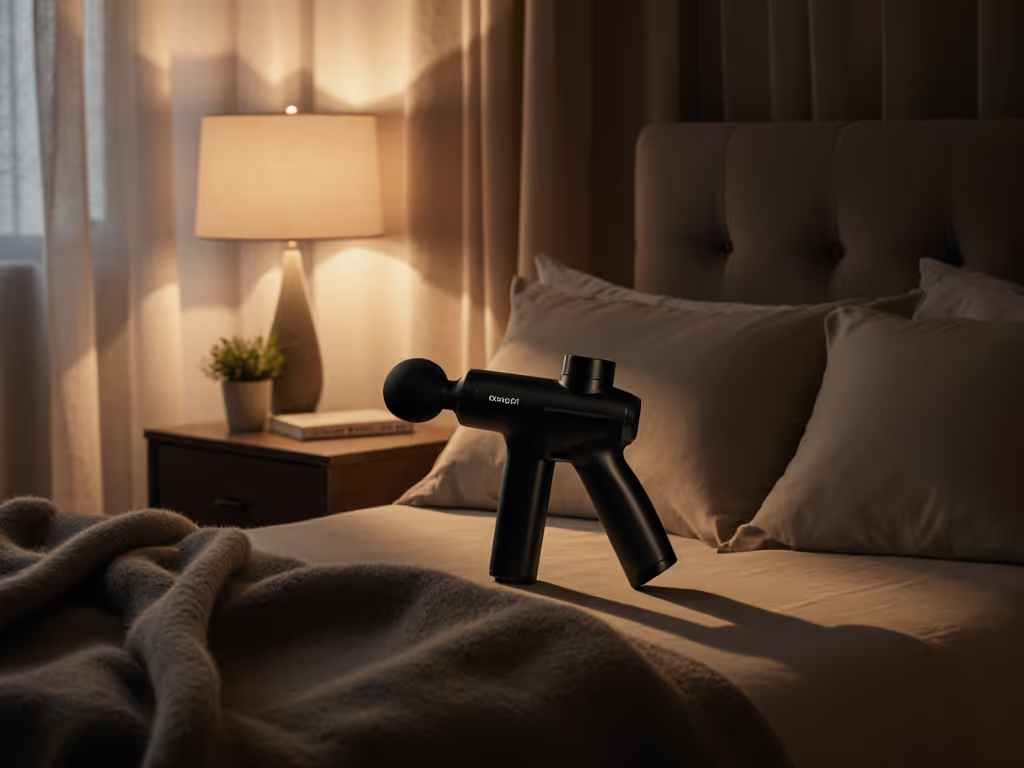
Abandoned devices live in luggage or under beds. For nighttime recovery protocols to stick, your gun must live where you sleep. On planes? Tuck it in the seat pocket. Hotels? Nightstand drawer. Home office? Desk side. The study's 56% sleep score improvement relied on seamless integration (not hunting for gear). Constraint-led truth: If it doesn't fit your pillowcase pocket, it won't get used. Target sub-7-inch designs that won't knock over water glasses.
6. Avoid the "Deep Tissue Trap" Before Bed
Amplitude matters less for sleep than smoothness. Jarring, high-impact percussion spikes adrenaline, counterproductive when you need nervous system calm. Opt for devices with consistent, wave-like motion (not erratic thumping). Research shows vibration therapy improves sleep only when it reduces pre-sleep arousal. For stress-lowering routines that pair with bedtime, explore how massage guns boost mental wellness. Test this: Hold the gun against your palm. If it numbs your hand in 30 seconds, it's too aggressive for bedtime. Desk workers, take note: Gentle pressure on trapezius muscles lowers heart rate without triggering fight-or-flight.
7. Sync With Your Circadian Rhythm (Not the Clock)
Timing trumps duration. Start routines 20-30 minutes before your wind-down ritual (not while brushing teeth). Why? Massage stimulates blood flow, which initially raises core temperature. The study's protocol began 30 minutes pre-bed, aligning with the body's natural cooldown phase. Frequent travelers: Adjust for time zones. Use daylight cues, begin when ambient light drops below 100 lux. Never use bright screens during the routine; pair with dim lighting for maximum cortisol reduction massage effect.
Why This Works Beyond the Hype
The data is compelling but nuanced: Participants retained 67% higher recovery scores even after stopping the two-week intervention. This suggests consistent pre-sleep massage routines retrain nervous system responses, not just masking symptoms. For road warriors, the magic lies in reliability. A device that's quiet, USB-C-compatible, and slim enough to live beside your passport removes friction. No more dreading airport security with bulky lithium batteries (TSA-approved units under 100Wh are key). No more awkward maneuvers to reach your mid-back in a cramped hotel bed.
Real-world adherence beats theoretical power every time. That's why I validate every tool through the "red-eye test": Can I use it without disturbing neighbors? Does it charge from my power bank? Will it fit in my jacket pocket? If not, it's rejected, no matter how impressive the stall force specs. Your sleep routine shouldn't require negotiation with your environment.
Your Next Step: Build Sleep-Ready Habits, Not Hardware Hoards
Stop optimizing for amplitude and start optimizing for use. Track your sleep onset for one week without percussive therapy, then introduce a 6-minute quiet routine. Note if you fall asleep faster, and whether you actually stuck with it. The best device is the one that stays out of sight until needed, then delivers quietly. For deeper insights into circadian biology and vibration therapy mechanisms, explore clinical studies on PubMed (search terms: "massage therapy sleep EEG" or "percussive therapy cortisol"). Remember: Sleep isn't solved by gadgets (it's earned through frictionless habits). Your passport-sized recovery toolkit awaits.
Related Articles