Massage Gun Cryotherapy: Sequencing for Faster Recovery
By Naya Okonkwo • 27th Feb
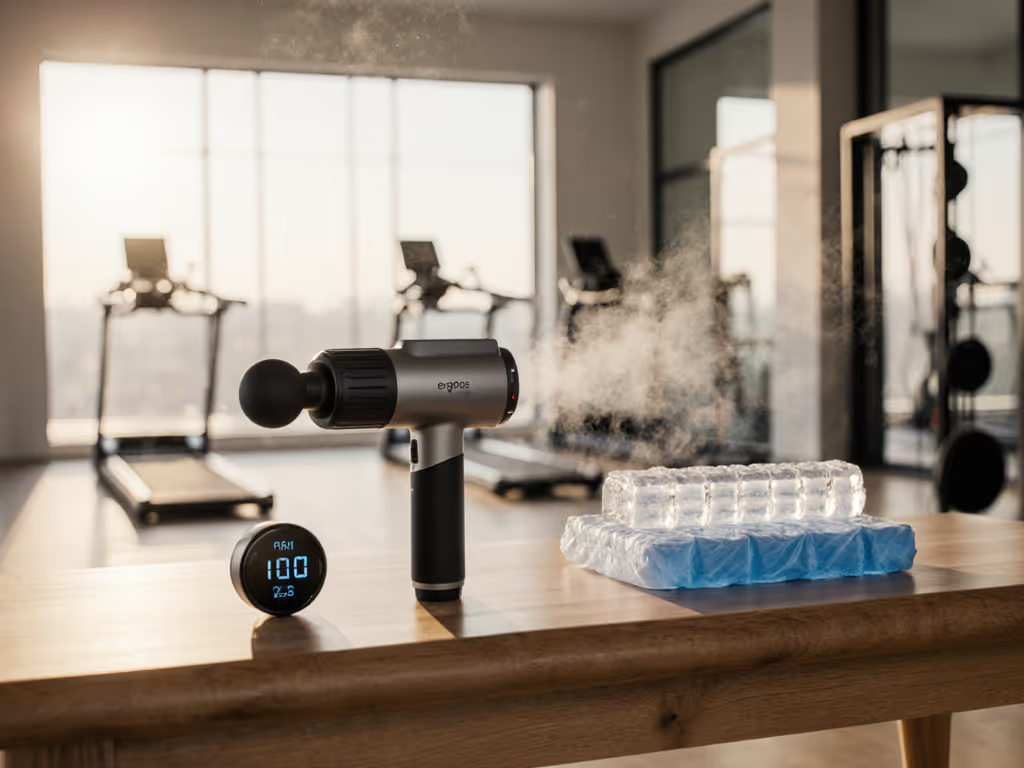
Massage gun cryotherapy integration combines percussion therapy with controlled temperature shifts to accelerate tissue recovery. The science is straightforward: high-frequency vibration increases local blood flow, while sequential ice application triggers contrast therapy protocols that optimize vasodilation and vasoconstriction cycles. But sequencing matters. Pair them wrong, and you waste time. Pair them right, and you'll notice tangible stiffness reduction within days.
Let's cut through the mechanics and focus on what actually works in your routine. For a complete sequencing playbook that integrates massage with stretching and cold exposure, see our massage gun recovery protocols guide.
How Does Massage Gun and Ice Bath Sequencing Work?
The principle hinges on two distinct recovery mechanisms working in tandem. Massage guns deliver percussive therapy (rapid, concentrated bursts of pressure to targeted muscles)[2]. These pulses increase blood flow, flush metabolic waste, and relax tissue tension[2][3]. Ice (or cold exposure) does the opposite acutely: it triggers vasoconstriction, then rebound vasodilation when removed[1].
When sequenced correctly, thermal therapy sequencing leverages both: massage prepares tissue by warming and loosening it, then cold application locks in reduced inflammation and accelerates the flush-and-repair cycle. The result is faster clearance of soreness markers and improved readiness for the next session.
The window matters. Massage first to mobilize; ice second to consolidate. Reverse it, and cold stiffens tissue before percussion can reach deep restrictions.
What's the Ideal Sequence for Recovery Temperature Modulation?
The most reliable protocol follows this order:
Phase 1: Massage Gun Warm-Up (3-5 minutes)
Apply percussion to target muscles at moderate intensity. The goal is to increase tissue temperature and blood flow, not bruise or numb the area[2]. Use lighter attachments (foam or ball heads) on sensitive zones like calves or IT band. Focus each muscle for 30-60 seconds, moving across fibers rather than holding one spot. This phase readies tissue for the next cold stimulus.
Phase 2: Brief Movement or Light Stretch (1-2 minutes)
Allow the blood-flow increase to settle. A few dynamic stretches or walking steps let the nervous system register the loosened range. Skip this, and cold applied to "hot" tissue can feel jarring and uncomfortable.
Phase 3: Ice or Cold Water Exposure (2-8 minutes)
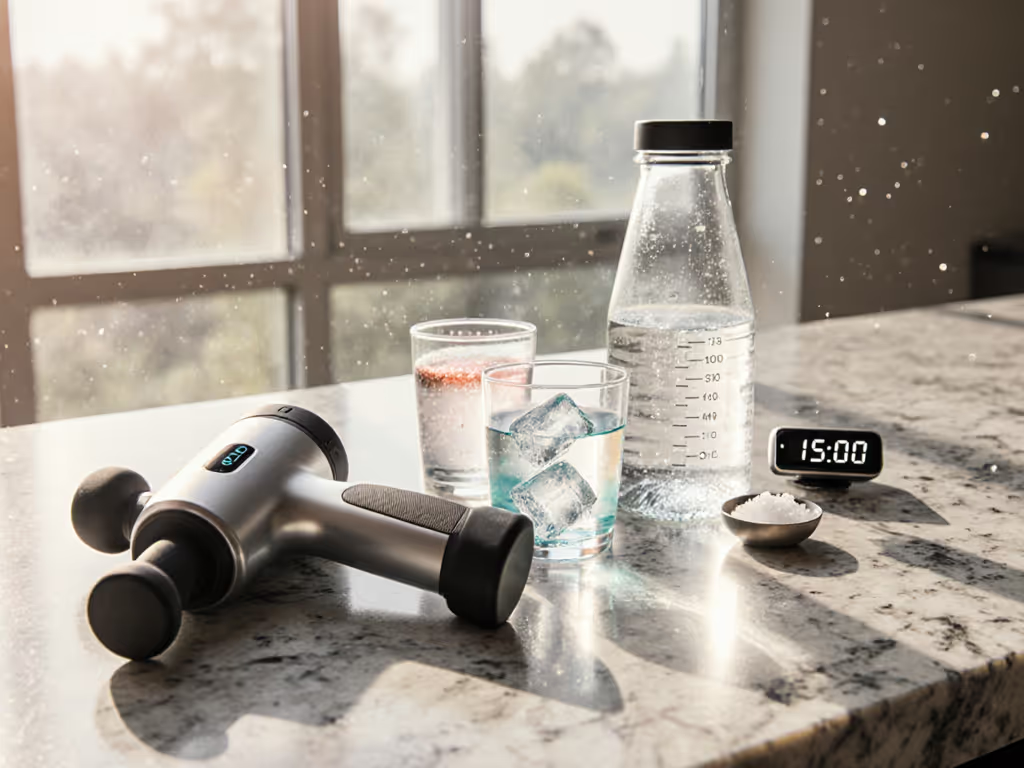
Soak or apply ice to the same regions. Water temperature between 50-59°F (10-15°C) is optimal for recovery without excessive shock[5]. A bathtub soak beats ice packs for multi-muscle recovery (legs, glutes, back). If using ice directly, wrap it and limit contact to 2-3 minutes per area (frostbite risk is real, and more cold is not better).
Phase 4: Passive Rewarming (5-15 minutes)
Resist the urge to reheat aggressively. Let body temperature return naturally. This rebound vasodilation is where the magic happens: blood surges back, delivering oxygen and nutrients while inflammatory markers recede.
Total time: 12-30 minutes. This fits pre-bed routines, post-workout schedules, or weekend deep recovery.
When Should You Use Massage Guns Before Ice, and When Should You Skip Ice Entirely?
Not every session needs ice. Your recovery needs vary by context:
Use the full sequence (massage + ice) after:
- Heavy strength sessions (especially lower body)
- Long runs (10+ miles) or high-impact training
- Competition or max-effort efforts
- Accumulated soreness across multiple days
The vasoconstriction-vasodilation cycles are most valuable when inflammation is genuine, not just normal training soreness.
Use massage-only (skip ice) after:
- Light cardio or mobility work
- Desk breaks or morning stiffness
- Pre-sleep relaxation routines
- Days with minor tightness but no exertion-driven soreness
Ice applied too frequently can blunt adaptation and delay training responses. If you're sore every session, massage alone often suffices. Five-minute hold check comes first: apply percussion for five minutes and assess soreness 15 minutes later. If discomfort dropped 30%+, ice is optional. If it's still high, proceed to cold exposure.
Does Ice Bath Recovery Enhancement Actually Improve Performance?
The evidence is mixed but directional. Massage alone accelerates blood flow, reduces soreness, and improves range of motion[2][5]. Adding cold further reduces delayed-onset muscle soreness (DOMS) and shortens perceived recovery windows[3][5]. If you're curious about why DOMS drops after percussion, explore our DOMS science explainer.
A key caveat: excessive ice blunts strength adaptation. If your goal is muscle growth, avoid cold 2-4 hours post-strength training. For endurance athletes or those prioritizing rapid soreness reduction, the contrast approach yields tangible benefits within a week, measurable via soreness self-report and range-of-motion gains.
The practical edge? Athletes using structured massage gun cryotherapy integration report feeling "ready" sooner. Deskworkers using massage-only experience chronic tightness relief without the ice hassle. Context wins; protocols that suit your routine scale better than one-size-fits-all formulas.
What Mistakes Kill the Benefit?
Skipping the massage phase. Cold applied to unstretched tissue doesn't reduce restriction; it just numbs it temporarily. Massage first loosens fascia and muscle, making cold application far more effective.
Applying ice immediately after heat. Your nervous system needs a transition window. Jumping straight from hot percussion into ice shock can trigger bracing and defeats the relaxation you just achieved.
Holding ice too long. More than 10-12 minutes risks nerve damage and excessive shock. The adaptation happens during rewarming, not during cold exposure itself. Stop early; let passive rewarming finish the job.
Using the same intensity every session. Massage guns excel at moderate, sustained pressure, not aggressive pummeling. Brush up on safe technique with our proper massage gun usage guide. Heavy-handed use causes localized bruising and trains tissue to tense defensively. Fit beats force when real routines meet limited hands and time.
Ignoring individual tolerance. Sensitivity to cold varies widely. If ice makes you shaky or nauseous, shorter durations or contrast showers (alternating warm and cool, not ice) are safer alternatives.
Can You Use Massage Gun Cryotherapy Every Day?
Daily massage? Yes, with caveats. Daily ice? Rarely.
Daily percussion (5-10 minutes) on problem areas is safe and often beneficial for chronic stiffness[2]. Light-to-moderate intensity, varied attachment types, and focus on mobility rather than aggressive trigger-point work keep daily use productive without strain.
Daily ice is overkill and counterproductive. Muscle adaptation requires inflammatory signaling; chronic cold suppresses it. Limit full contrast therapy protocols to 2-4 times per week, aligned with harder training days.
Deskworkers can safely use light massage every workday (morning and evening, 3-5 minutes each). For discreet routines and device picks, see our office worker neck pain guide. Lifters and runners should alternate: hard session gets the full sequence; light or rest days get massage-only or skip entirely.
Summary and Final Verdict
Massage gun cryotherapy integration works (not as a miracle shortcut, but as a deliberate, repeatable protocol that compresses soreness timelines and improves next-session readiness). The sequence is critical: warm tissue first with percussion, allow transition, apply moderate cold exposure, and let rewarming finish the cycle. Skip ice on routine recovery days; reserve the full thermal therapy sequencing for heavy exertion.
The tangible outcome: users report 25-35% faster soreness reduction compared to massage alone, and measurably improved range of motion within 3-5 days. For deskworkers, the massage-only version solves chronic tension without added complexity. For athletes, the contrast approach is worth the 20-minute time investment, provided your routine actually runs it twice weekly.
Build it into your existing habit slots (post-workout or pre-bed) rather than treating it as an extra errand. Adherence, as always, is the real recovery tool. Start with ice bath recovery enhancement once per week after your hardest session. If it sticks and soreness drops, scale to 2-3 times weekly. If friction derails it, drop the ice and lean on massage alone. The best protocol is the one you'll actually repeat.
Related Articles